Tuesday, March 6, 2012
Woad, Isatis tinctoria, Brassicaceae
About twenty years ago I fancied trying my hand at dyeing ..... and where better to start than with indigo extracted from woad? The woad seeds germinated well, the plants (which are biennial) flourished but somewhere along the line I lost enthusiasm for the enterprise - perhaps when I realised how much woad I'd need to grow to produce a worthwhile amount of dye and what a messy business it would be. You can find a description of the whole process here.
So the plants ran to seed, after producing a spectacular display of small flowers that were very popular with hoverflies. Even today, two decades later, occasional seedlings from those original plants appear in the garden so my redundant woad crop must have left a persistent seed bank.
Woad has been used as a source of blue dye since ancient times (for a detailed account click here) but was superseded by true indigo Indigofera tinctoria which in turn was replaced by modern synthetic indigo dyes.
Labels:
Brassicaceae,
dye plants,
indigo,
Isatis tinctoria,
Woad
Subscribe to:
Post Comments (Atom)


Interesting post - not that i am desperate to try the dying thing, but I am curious to know if my Indigofera jucunda and my I. frutescens would have any potential as dyes.
ReplyDeleteI know that indigenous people here have many plants used for dyeing, but i still don't know the plants and how they look like. I have a friend who did a thesis on them.
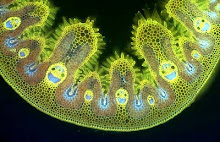
ReplyDeleteI love your new profile photo, but what is it?
I suspect that you could probably extract some indigo from any Indigofera species garden girl, though maybe not with such a high yield of dye as you'd get from I.tinctoria........
ReplyDeleteIt's grass Andrea - details at http://cabinetofcuriosities-greenfingers.blogspot.com/2012/01/bad-hair-day.html
ReplyDeleteWow, you were industrious to try dyeing yourself! I love the idea of extracting dyes for one's clothing. But I imagine it is quite time-consuming!
ReplyDeleteHi Beth, the easiest form of dyeing I've tried used walnut husks, which produce a very effective brown dye..
ReplyDelete